The best puffer jackets for hiking balance warmth, low weight, packability, and weather protection without making your layers feel bulky. The right choice depends on your climate, activity level, and whether you need a jacket for moving, resting, or both.
We compared 10 popular options across insulation, water resistance, hood design, fit, portability, and everyday versatility to help you choose a dependable layer for cool-weather hikes.
Best 10 Puffer Jackets for Hiking Picks for 2026
Lightweight Women's Pick

- Packs into its pocket and includes a drawstring pouch
- Hood and elasticized trim help block cold air
- Four zippered pockets plus light rain resistance
Best For: Women seeking compact, versatile hiking insulation
Reflective Warmth Pick
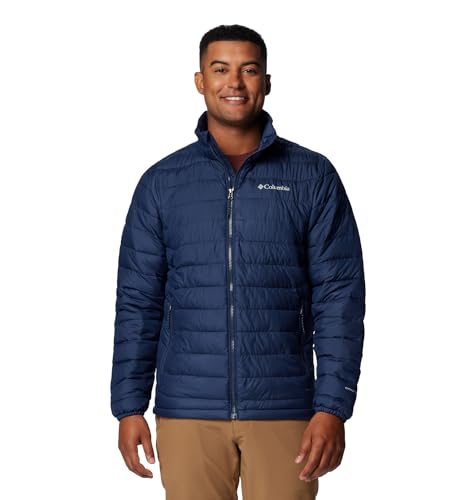
- Omni-Heat lining reflects body heat
- Synthetic insulation retains warmth when wet
- Water-repellent finish and adjustable hem
Best For: Active hikers needing lightweight cold-weather warmth
Women's Hooded Coverage Pick
Columbia Heavenly Hooded Jacket

- Omni-Heat lining helps retain body warmth
- Hood and droptail hem add cold-weather coverage
- Water-repellent finish and four secure pockets
Best For: Women wanting warm, lightweight coverage for damp trails
Best Women's Hooded Option
Columbia Women's Powder Lite II Hooded Jacket

- Omni-Heat reflective lining
- Thermarator synthetic insulation
- Hood and adjustable hem
Best For: Cool-weather hikes with light precipitation
Best with Extra Features
Women's Hooded Lightweight Puffer

- Folds into its pocket or included pouch
- Lightweight, insulated, and water resistant
- Four zippered pockets for essentials
Best For: Women who want a compact hiking and travel layer
Best Cold-Weather Comfort

- Sherpa-lined body and hood add warmth
- Water-resistant polyester shell
- Three zippered pockets for storage
Best For: Men hiking or camping in cold fall and winter weather
Lightweight Women's Pick – Packable Hooded Puffer
For hikers who want convenient warmth without much bulk, this packable hooded jacket is a practical option among puffer jackets for hiking. Its lightweight insulated construction, water-resistant fabric, and adjustable coverage suit cool, mild, and lightly wet conditions.
Best For: Women who prioritize packability, light insulation, and organized pocket storage for hiking and travel.
Pros:
- Folds into its left pocket and also includes a separate drawstring pouch.
- Hood, elasticized cuffs, and hem help reduce exposure to cold air.
- Four zippered pockets provide secure storage for essentials.
- Water-resistant fabric helps with light rain.
Cons:
- Low-stretch, lightweight fabric may offer limited flexibility.
- Designed for light precipitation rather than sustained heavy rain.
This is a versatile three-season layer for hikers who need an easy-to-stow jacket with practical storage. It is especially useful when changing temperatures make packable insulation valuable.
Reflective Warmth Pick – Columbia Powder Lite II
The Columbia Powder Lite II combines lightweight synthetic insulation with heat-reflective lining, making it a strong choice among puffer jackets for hiking in cold conditions. Its water-repellent finish and active fit add practical trail versatility.
Best For: Men who want lightweight warmth, breathable heat retention, and weather protection for active outdoor use.
Pros:
- Omni-Heat lining reflects and retains body heat while remaining breathable.
- Thermarator insulation is designed to maintain warmth even when wet.
- Omni-Shield finish repels light precipitation, stains, and dries quickly.
- Adjustable hem, elastic cuffs, chin guard, and zippered hand pockets add useful coverage.
Cons:
- At 1.5 pounds, it is less ultralight than some packable options.
- The fitted active cut may provide less room for bulky layers.
With its balance of insulation, moisture resistance, and movement-oriented fit, this jacket suits hikers facing changing cold-weather conditions. It is a practical everyday and trail layer rather than a minimal emergency shell.
Budget Packable Pick – Men's Lightweight Puffer
This Amazon Essentials puffer keeps the design straightforward for hikers shopping for affordable puffer jackets for hiking. The quilted insulation, water-resistant nylon shell, and included carrying bag make it convenient for cool-weather outings and travel.
Best For: Men, including big and tall shoppers, who want an uncomplicated packable layer with an easy fit.
Pros:
- Regular fit provides comfortable room through the shoulders, chest, and waist.
- Water-resistant nylon taffeta shell offers basic protection in damp conditions.
- Packs into the included drawstring carrying bag.
- Elasticated cuffs and bottom opening help retain warmth.
Cons:
- Notes do not specify a hood, so head coverage is limited to the stand-up collar.
- Features fewer specialized weather or insulation technologies than some alternatives.
This jacket is a sensible choice when portability and everyday warmth matter more than technical trail features. Its regular fit and big-and-tall availability also make sizing flexibility a notable advantage.
Women's Hooded Coverage Pick – Columbia Heavenly Hooded Jacket
For women who prefer added coverage on cool, damp trails, the Columbia Heavenly Hooded Jacket is a capable option among puffer jackets for hiking. Its thermal-reflective lining, water-repellent finish, hood, and droptail hem support comfortable outdoor layering.
Best For: Women seeking lightweight insulated coverage with weather-resistant details and secure storage.
Pros:
- Omni-Heat lining reflects body heat while maintaining breathable comfort.
- Omni-Shield finish repels moisture and resists stains.
- Hood and droptail hem provide additional coverage in cold conditions.
- Interior security and zippered hand pockets help protect valuables.
Cons:
- Non-stretch fabric may feel less flexible during highly dynamic movement.
- Water-repellent protection is intended for damp conditions, not prolonged heavy rain.
This jacket stands out for hikers who value warmth and coverage in a lightweight design. The reflective lining and multiple secure pockets make it equally useful for trail walks, commuting, and everyday cold-weather wear.
Best Packable Pick – Outdoor Ventures Men's Packable Puffer Jacket
For hikers who want a lightweight layer that is easy to stash, this Outdoor Ventures jacket combines synthetic insulation, light-rain water resistance, and a packable design. Elasticized cuffs and hem help limit drafts, while five zippered pockets keep essentials organized on the trail.
Best For: Hikers needing a versatile, packable jacket for fall, spring, and milder winter outings.
Pros:
- Lightweight insulated construction with a water-resistant nylon shell
- Packs into a storage bag with a drawstring and backpack clip
- Five zippered pockets provide useful storage and privacy
- Elasticized cuffs, hem, and a chin-friendly zipper garage help block wind
Cons:
- Designed for light rain rather than sustained wet conditions
- Unlined fabric has no stretch
This is a practical choice among puffer jackets for hiking when packability and everyday versatility matter most. Its synthetic insulation and wind-blocking details suit changing shoulder-season conditions, while the storage bag makes it convenient to carry as a spare layer.
Best Women's Hooded Option – Columbia Women's Powder Lite II Hooded Jacket
The Columbia Powder Lite II is a streamlined option for women comparing puffer jackets for hiking in cool, changeable weather. Its Omni-Heat reflective lining helps retain body heat, while Thermarator synthetic insulation is designed to stay warm even when wet. A hood, adjustable hem, and stretchy bindings add coverage on active outings.
Best For: Active women wanting lightweight warmth and light-precipitation protection with a built-in hood.
Pros:
- Omni-Heat lining reflects and retains body heat
- Thermarator insulation offers a high warmth-to-weight ratio and works when wet
- Omni-Shield finish repels light rain, resists stains, and dries quickly
- Includes zippered hand pockets, an interior security pocket, and an adjustable hem
Cons:
- Not rated as fully water resistant
- Medium-weight construction may be less packable than lighter options
With its hood and heat-reflective lining, this jacket is well suited to cool hikes where comfort and moderate weather protection are priorities. It offers useful trail features without relying on down insulation, but it is better matched to light precipitation than prolonged rain.
Best Wind Protection – Pioneer Camp Men's Packable Puffer Jacket
For hikers who prioritize coverage and storage, the Pioneer Camp jacket pairs a windproof nylon shell with synthetic cotton filling, a hood, and adjustable closures. Its DWR-treated fabric is breathable and rated for light rain protection, and the jacket packs into a small waterproof bag for travel or backpack use.
Best For: Hikers who want a hooded, wind-resistant layer with extensive pocket storage.
Pros:
- Windproof shell, adjustable cuffs, drawstring hood, and elastic hem help retain warmth
- DWR-coated fabric provides breathable protection in light rain and mist
- Packs into a small waterproof bag
- Six pockets, including four interior pockets, offer ample organization
Cons:
- Listed for winter use, so it may be warmer than needed for mild conditions
- Fitted cut and non-stretch fabric may limit layering comfort
This is a strong fit for exposed trails where wind protection and accessible storage are important. The hood and adjustable closures add coverage, while the packable format makes it easy to carry; however, hikers should account for its fitted, non-stretch design when planning base layers.
Best with Extra Features – Women's Hooded Lightweight Puffer
For hikers who prioritize low pack weight and easy storage, this women’s puffer jacket is a practical choice. Its lightweight nylon construction, water-resistant fabric, hood, and insulation provide versatile coverage for cool, lightly wet conditions, while the jacket folds into its own pocket or included drawstring pouch.
Best For: Women seeking packable puffer jackets for hiking, travel, camping, and three-season use.
Pros:
- Folds into its left pocket and includes a separate drawstring pouch.
- Lightweight 16-ounce design with polyester insulation.
- Four pockets, including a zippered chest pocket, help secure essentials.
- Hood, elasticized cuffs, and hem help limit wind entry.
Cons:
- Water resistance is intended for light rain rather than prolonged wet conditions.
- Low-stretch fabric may offer less mobility than stretch-shell designs.
This jacket stands out when packability and organized storage matter more than heavy-weather protection. It is especially useful as a backup layer in a hiking pack or as a lightweight outer layer during shoulder seasons.
Best Cold-Weather Comfort – Men's Sherpa-Lined Puffer
Hikers facing colder fall and winter conditions may appreciate the plush warmth of this men’s puffer jacket. It combines polyester insulation with a sherpa-lined body and hood, plus water-resistant fabric, elasticized cuffs, and a hem designed to help retain heat during outdoor activities.
Best For: Men looking for a warmer, mid-weight puffer for cold-weather hiking, camping, work, and everyday wear.
Pros:
- Sherpa lining and a fleece-lined hood add softness and warmth.
- Water-resistant fabric helps protect against damp weather.
- Two zippered hand pockets and one inner zip pocket store essentials.
- Elasticized cuffs and hem help reduce heat loss.
Cons:
- Medium-weight construction is less packable than a lightweight puffer.
- The style runs a bit large; shoppers seeking a fitted feel may need to size down.
This is a comfort-focused option for chilly outings rather than a minimalist summit layer. Its soft lining and roomier fit make it suitable for layering, but hikers should account for the added bulk when packing.
Best for Active Mobility – Women's Stretch Hybrid Puffer
For active hikers who need a freer range of motion, this women’s hybrid puffer pairs a quilted insulated front and back with stretch fleece-lined sleeves and underarms. Its hood, thumbholes, elasticated hem, and water-resistant construction provide useful coverage for hiking, running, cycling, and other cool-weather activities.
Best For: Active women who want a lightweight puffer for hiking, running, and layering.
Pros:
- Stretch fleece-lined sleeves and underarms support movement.
- Lightweight insulated construction works as a mid-layer or standalone outer layer.
- Water-resistant design helps in snowy outdoor conditions.
- Four pockets include two outer and two deep inner pockets.
Cons:
- Water resistance is not presented as protection for sustained heavy rain.
- Hand-wash or machine-wash care may require more attention than simple outerwear.
- The 26-inch listed length may provide less coverage than a longer winter coat.
This jacket is a strong fit for movement-heavy activities where conventional quilted sleeves can feel restrictive. Use it as a breathable mid-layer in colder weather or as a standalone layer in mild, cool conditions.
How We Picked the Best Puffer Jackets for Hiking
We focused on features that matter on real hikes: useful warmth without excessive bulk, lightweight construction, packability, weather resistance, and comfortable layering. We also considered hood coverage, fit availability, pocket design, insulation style, and versatility for commuting, travel, golf, and everyday winter wear.
Because hiking conditions vary, this list includes both streamlined packable jackets and more protective hooded designs. No single jacket is ideal for every trail, so the best option depends on how cold, wet, windy, and active your outings tend to be.
Quick Comparison
- Best for lightweight packability: Look for a compressible design that stows easily in a daypack.
- Best for damp conditions: Choose water-resistant shell fabric, while remembering that puffer jackets are not a replacement for a rain shell.
- Best for colder rest stops: Prioritize a hood, longer coverage, and room for a midlayer.
- Best for varied sizing: Consider options offered in extended or big-and-tall sizes.
- Best for active use: Favor a lighter jacket with a comfortable, nonrestrictive fit.
Key Buying Factors for Puffer Jackets for Hiking
Insulation and Warmth
Insulation determines how well a jacket retains heat. Synthetic insulation is often a practical hiking choice because it continues to provide some warmth in damp conditions and is generally easy to care for. For milder hikes or high-output activity, a lighter fill can help prevent overheating.
Weight and Packability
A packable jacket should compress enough to fit in your backpack without taking over valuable space. Lightweight designs work well as emergency layers, but very thin jackets may provide less warmth during long breaks or exposed ridgelines.
Weather Protection
Water-resistant fabric can handle light drizzle, snow flurries, and trail moisture, but it will not replace a waterproof shell in sustained rain. For windy routes, look for a snug hem, elastic cuffs, and a well-fitting hood that can be adjusted without blocking visibility.
Fit and Layering
Check whether the cut leaves enough room for a base layer and fleece without creating excessive air gaps. A trim fit may suit fast-moving hikes, while a roomier jacket is more useful over several layers in cold weather.
Pockets and Hood Design
Zippered hand pockets help protect essentials, while an interior pocket can secure a phone or trail snacks. A hood adds valuable warmth during stops, but it should adjust securely and avoid feeling restrictive when you turn your head.
Who Should Buy Which Puffer Jackets for Hiking?
Choose a lightweight packable model if you hike in changeable conditions and want an easy-to-carry backup layer. Choose a hooded, warmer design if you regularly hike in cold wind, shoulder-season snow, or low temperatures. Choose a water-resistant jacket for light precipitation and damp trails, but pair it with a dedicated rain shell for wet forecasts. Choose a big-and-tall option if standard cuts restrict movement or leave too little room for insulating layers.
Before buying, compare the size chart with a jacket or fleece you already own, and think about when you will wear the puffer most: while moving uphill, during rest breaks, or as an everyday winter coat. That use case will usually matter more than choosing the thickest-looking option.